
Bam earthquake. Iran (2003) 2.0
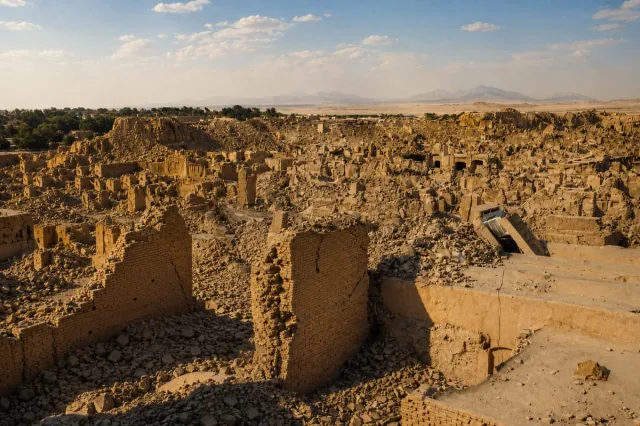
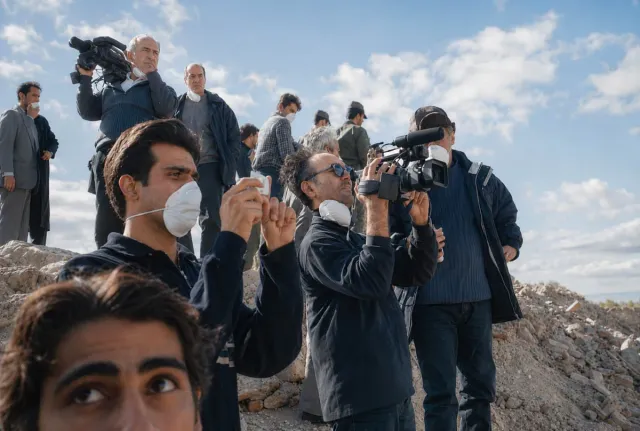
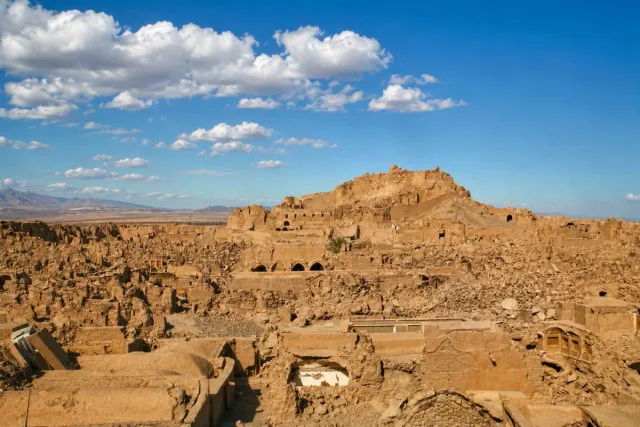
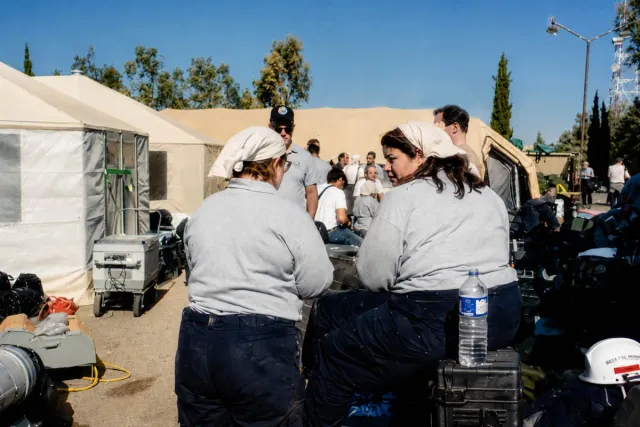
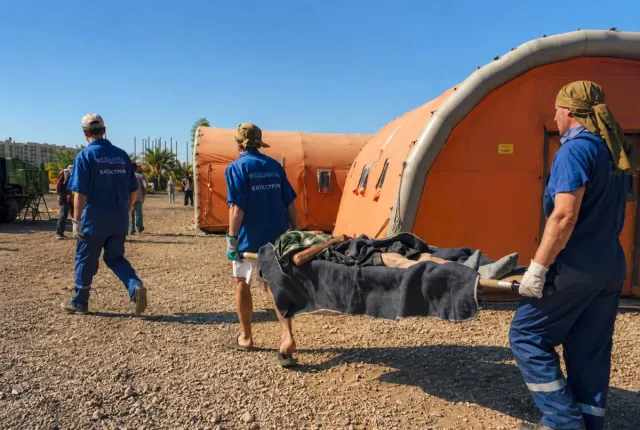
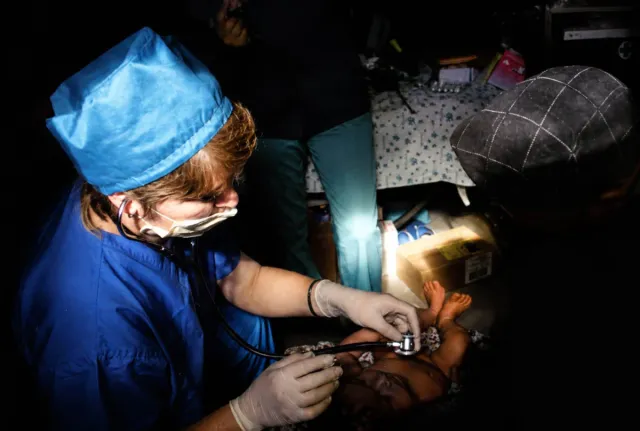
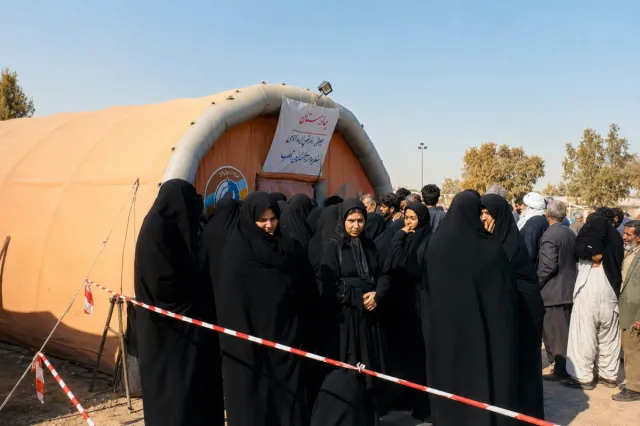
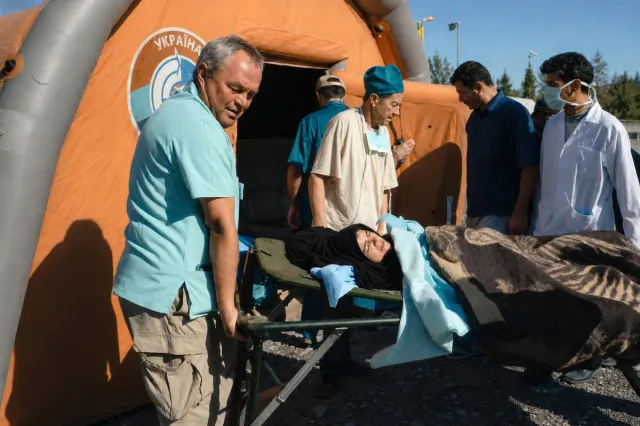
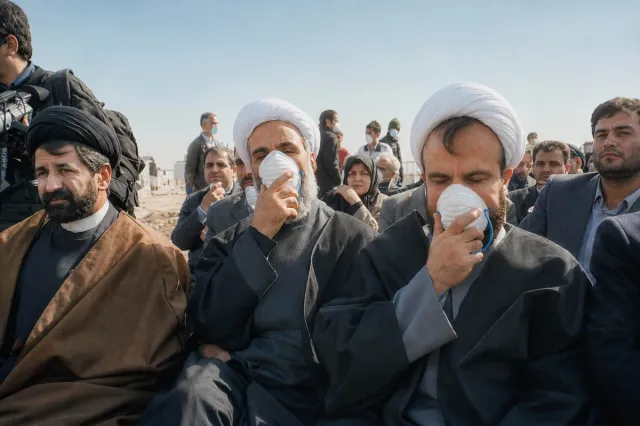
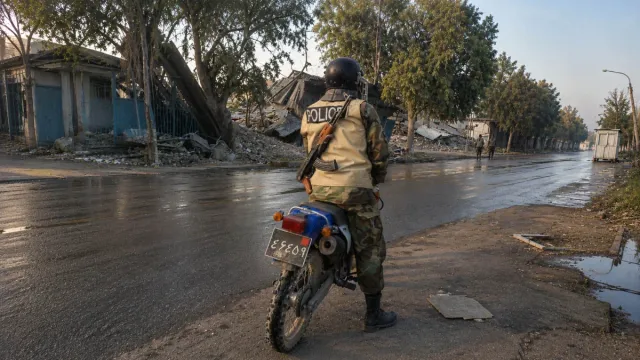
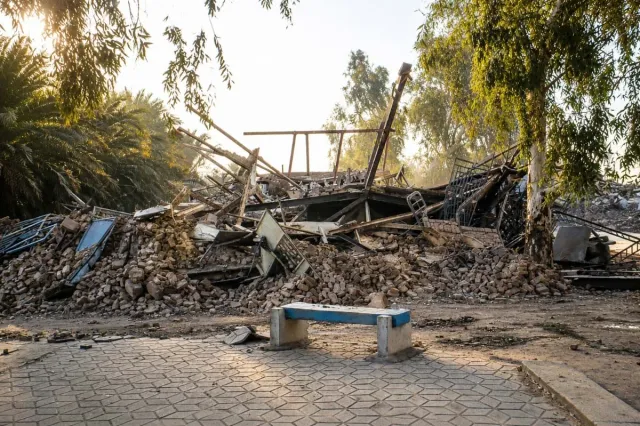
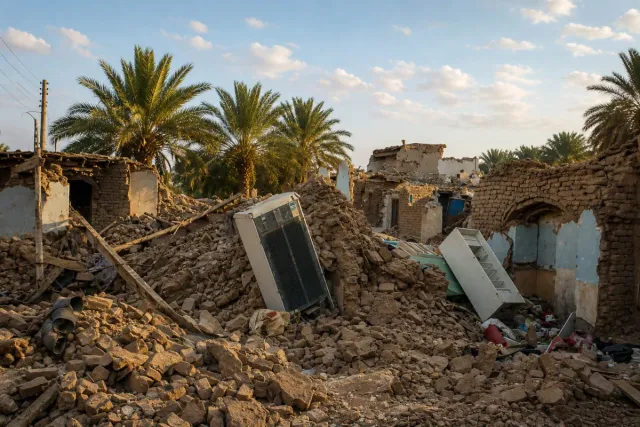
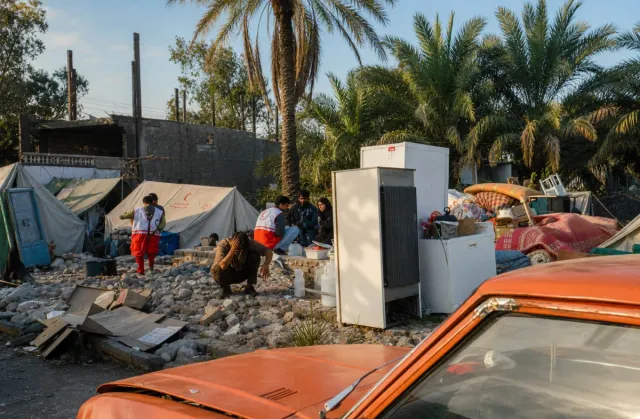
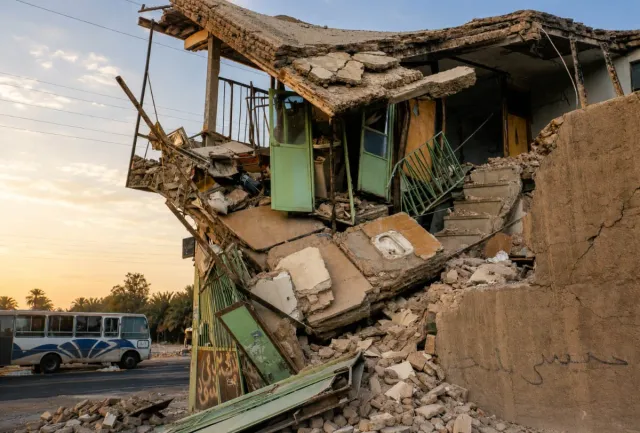
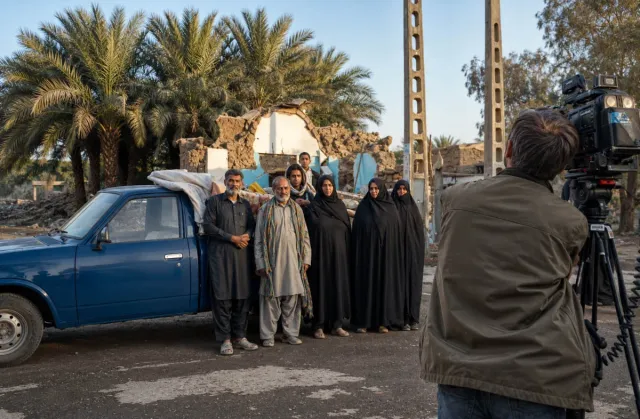
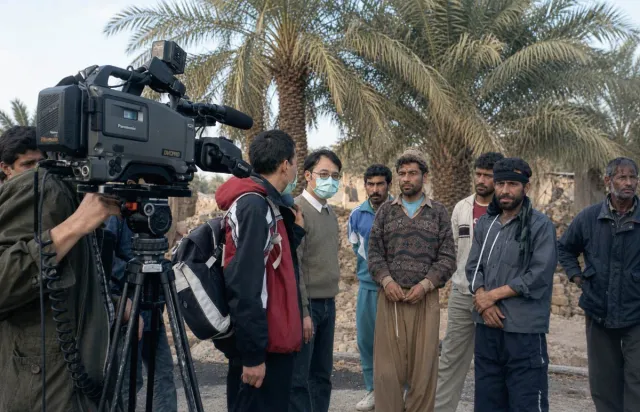
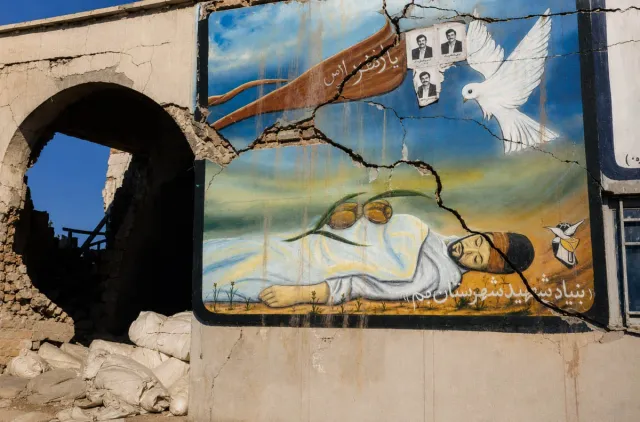
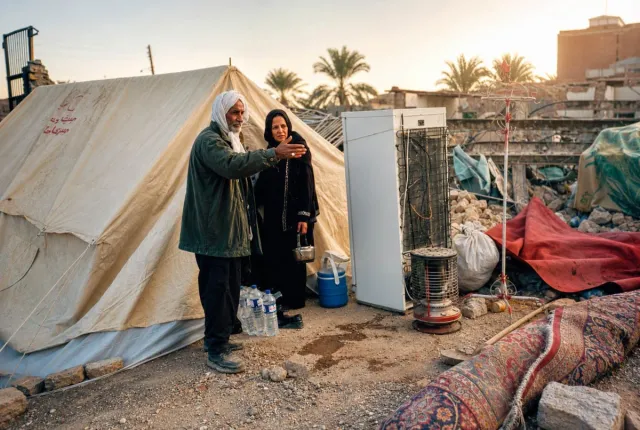
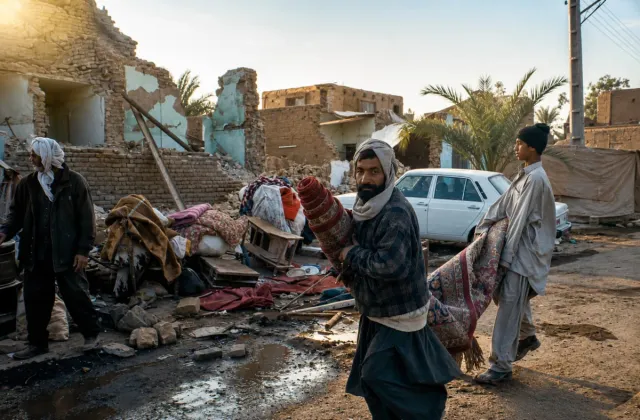
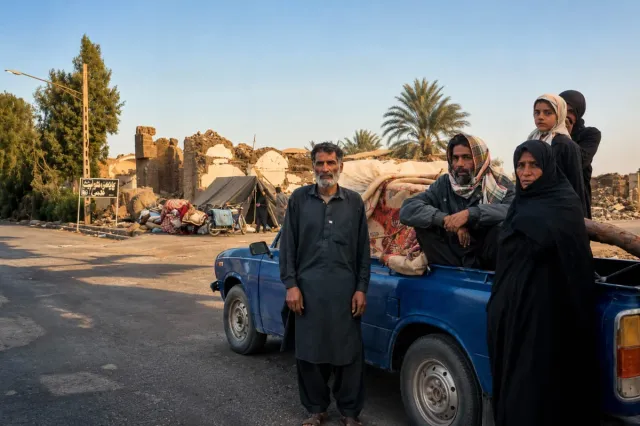
28 photosI used AI to restore archival photographs taken in December 2003 in the Iranian city of Bam, which had been devastated by a powerful earthquake. Back then, I was shooting with a basic point-and-shoot film camera fitted with a plastic lens. It was one of the most extreme assignments of my journalism career. The ancient city of Bam is located in southern Iran, in Kerman Province. In the 14th century, it was an important trading hub along the Great Silk Road. Later, it became a popular tourist destination, best known for its unique mud-brick citadel, Arg-e Bam. On December 26, 2003, a powerful earthquake virtually wiped out the city, which had a population of 97,000. Around 34,000 people lost their lives. It was one of the most devastating disasters in Iran's modern history. Three of us traveled there: myself, cameraman Nikolai Kishenin, and Saken Abdiyev, a reporter from our Kazakh-language news department. With the assistance of the Kazakhstani Consulate General, we quickly obtained visas, press accreditation, and an interpreter — Ali, a local ethnic Kazakh. He spoke no Russian, and according to Saken, his Kazakh was rather archaic. As a result, everything had to be translated twice. We flew from Almaty to Tehran via Tashkent on an Iran Air flight, then continued to Kerman aboard a Tu-154 operated by a Russian crew. We covered the remaining 200 kilometers to Bam by taxi. We arrived in the devastated city late in the evening, with no clear plan of action. Local journalists advised us to approach the military personnel of the Islamic Revolutionary Guard Corps. They provided us with a tent, drinking water, and food. Aftershocks continued throughout the night. It was an unforgettable sensation: lying on the ground and feeling the earth move beneath you. The following morning, we witnessed the full scale of the disaster. The city had effectively been reduced to rubble. Traditional houses built from adobe bricks had collapsed, burying thousands of people beneath the debris. The destruction of the ancient Arg-e Bam citadel was particularly heartbreaking. International rescue teams and medical missions were working throughout the disaster zone. We visited two field hospitals — one Ukrainian and one American. The American hospital was staffed by 81 medical professionals from Boston. Over the course of a month, Ukrainian specialists treated more than 3,000 earthquake victims, performing surgical operations, X-rays, ultrasound scans, and laboratory tests. Local residents helped us get around the devastated city, giving us rides in their own cars. We spent three days in the disaster zone and produced several television news reports. What has stayed with me from that assignment is not only the sheer scale of the destruction, but also the extraordinary resilience of the people who had survived the tragedy.
 Bam earthquake. Iran (2003)
 2.0
 Bam earthquake. Iran (2003)
 2.0
 Bam earthquake. Iran (2003)
 2.0
 Bam earthquake. Iran (2003)
 2.0
 Bam earthquake. Iran (2003)
 2.0
 Bam earthquake. Iran (2003)
 2.0
 Bam earthquake. Iran (2003)
 2.0
 Bam earthquake. Iran (2003)
 2.0
 Bam earthquake. Iran (2003)
 2.0
 Bam earthquake. Iran (2003)
 2.0
 Bam earthquake. Iran (2003)
 2.0
 Bam earthquake. Iran (2003)
 2.0
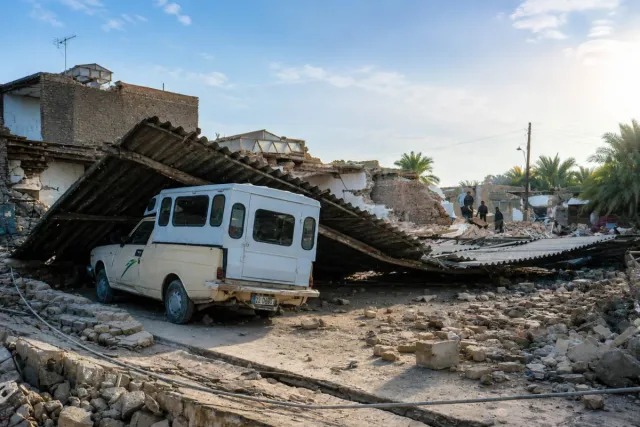 Bam earthquake. Iran (2003)
 2.0
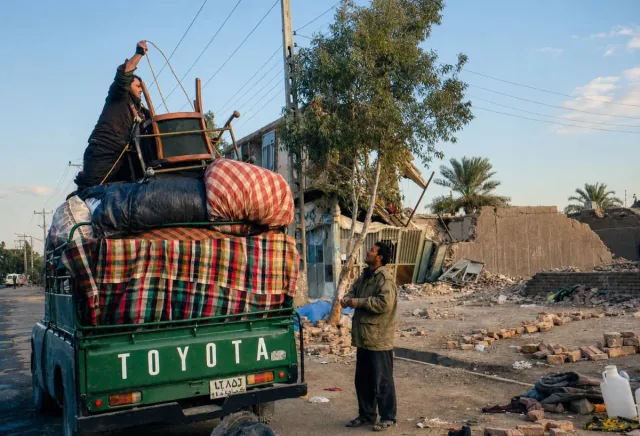 Bam earthquake. Iran (2003)
 2.0
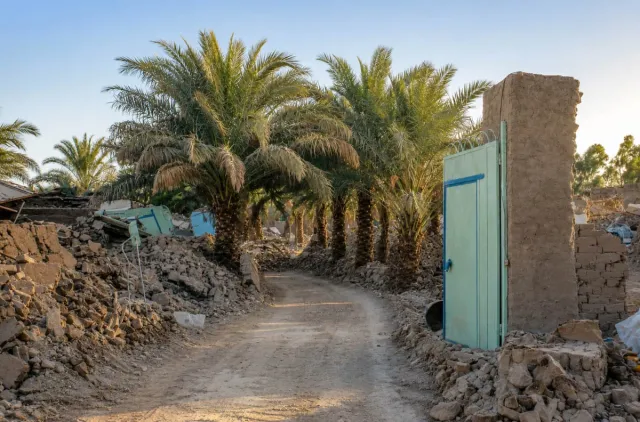 Bam earthquake. Iran (2003)
 2.0
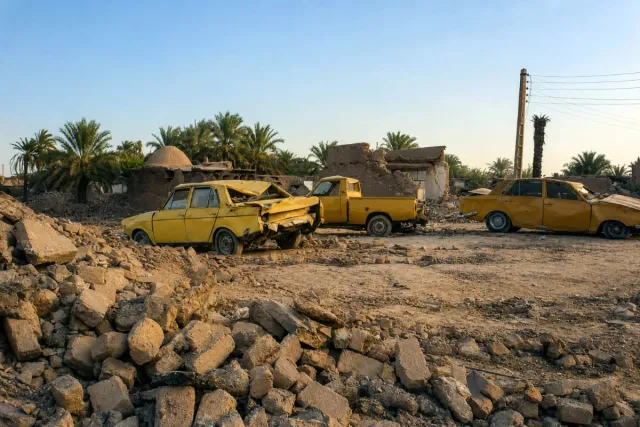 Bam earthquake. Iran (2003)
 2.0
 Bam earthquake. Iran (2003)
 2.0
 Bam earthquake. Iran (2003)
 2.0
 Bam earthquake. Iran (2003)
 2.0
 Bam earthquake. Iran (2003)
 2.0
 Bam earthquake. Iran (2003)
 2.0
 Bam earthquake. Iran (2003)
 2.0
 Bam earthquake. Iran (2003)
 2.0
 Bam earthquake. Iran (2003)
 2.0