
Mikoyan-Gurevich MiG-31 Kazakhstan Air Defense Forces, 2018
14 photosAn experiment with AI. I enhanced a series of photographs taken in 2018 at the 610th Guards Air Base of the Kazakhstan Air Defense Forces, named after Nurken Abdirov. The main transformation involved changing the lighting from daylight to nighttime and pre-dawn conditions. The air base is located in Karaganda and bears the name of Nurken Abdirov, a Kazakh pilot and Hero of the Soviet Union. During World War II, he performed a heroic act by deliberately crashing his burning aircraft into a concentration of enemy military vehicles. This elite unit of the Kazakhstan Air Defense Forces was formerly equipped with MiG-31 supersonic all-weather interceptor fighters. The MiG-31 is a truly unique aircraft. It was designed to intercept virtually every type of aerial target, from cruise missiles to high-altitude nuclear weapons delivery platforms, such as the American B-52 Stratofortress bomber. Among the designers involved in the MiG-31 program was the outstanding Soviet aerospace engineer and academician Gleb Yevgenyevich Lozino-Lozinsky. Incidentally, he was also the chief designer of the Buran orbital space shuttle. The MiG-31 can reach speeds of up to 3,100 km/h and operate at altitudes of up to 23 kilometers. Its maximum takeoff weight, including weapons, is almost 47 tons. The crew consists of two officers: a pilot and a weapons systems officer (navigator-operator). Interestingly, pilots often refer to the MiG-31 as an "airborne ship" rather than simply a fighter jet. Unlike many other Soviet and Russian combat aircraft, the MiG-31 was never exported beyond the Soviet Union and its successor states. Today, it remains in service only in Russia and Kazakhstan. In Russia, a modified version of the MiG-31 has been adapted to carry the Kh-47M2 Kinzhal hypersonic air-launched missile system. Unfortunately, in Kazakhstan, the entire MiG-31 fleet had been placed in storage by 2024. The MiG-31 was rarely displayed at airshows, which made it an especially desirable subject for aviation photographers and aircraft spotters around the world. Whenever an opportunity arose, they would go to extraordinary lengths to photograph this remarkable aircraft. How successful those efforts were is difficult to say. At least, there are relatively few high-quality photographs of the MiG-31 available online. Personally, I was fortunate. The command of the Kazakhstan Air Defense Forces granted me unrestricted permission to photograph these aircraft at the air base, including those on active combat alert duty. Today, I suppose these photographs have already become part of aviation history.
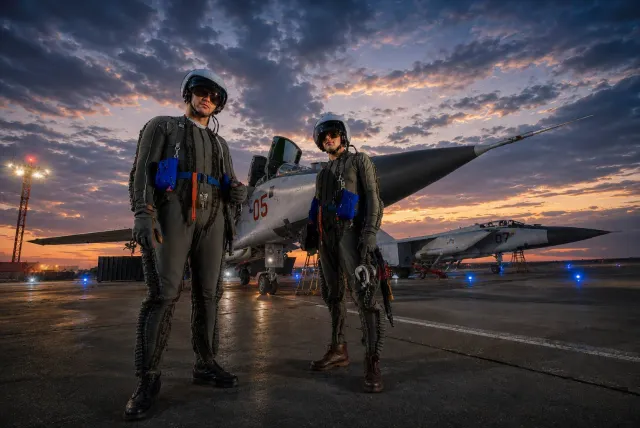 MiG-31 on combat alert duty
Mikoyan-Gurevich MiG-31 Kazakhstan Air Defense Forces, 2018
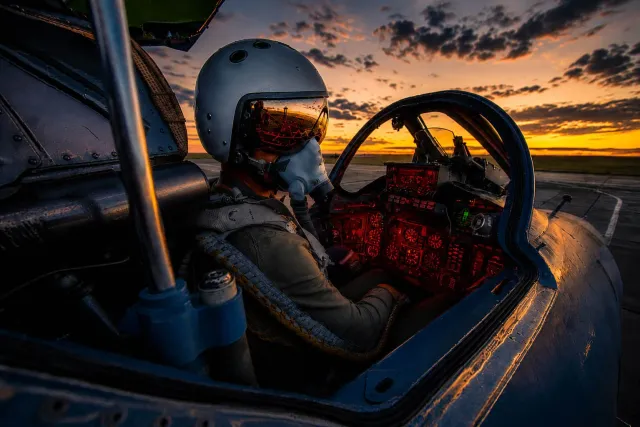 The aircraft commander in the cockpit
Mikoyan-Gurevich MiG-31 Kazakhstan Air Defense Forces, 2018
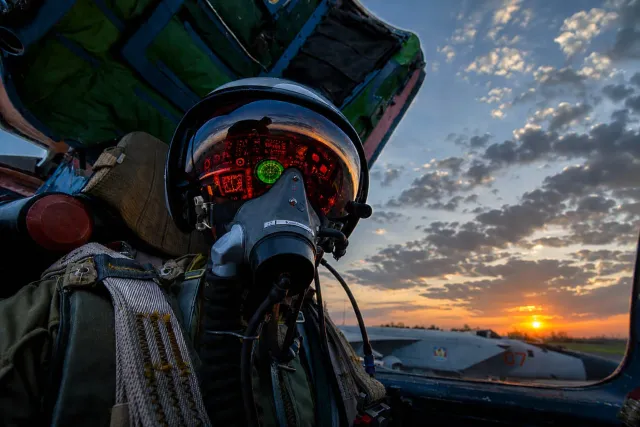 Reflection...
Mikoyan-Gurevich MiG-31 Kazakhstan Air Defense Forces, 2018
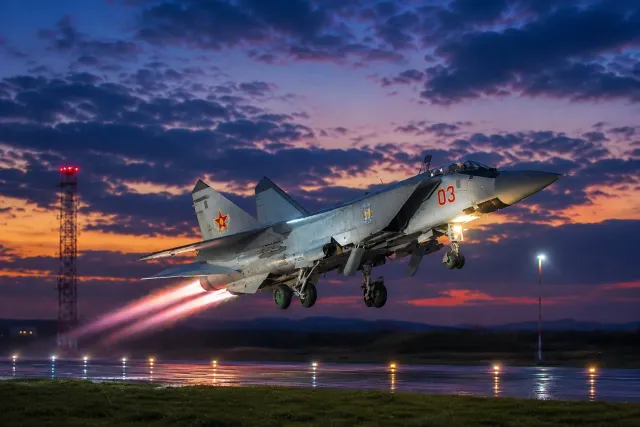 Takeoff with afterburners engaged
Mikoyan-Gurevich MiG-31 Kazakhstan Air Defense Forces, 2018
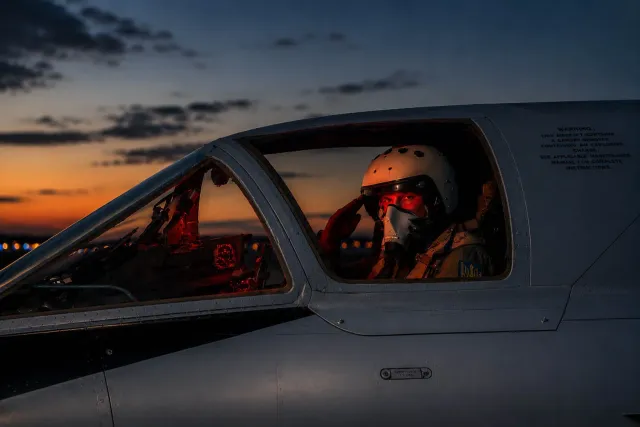 It's been an honor!
Mikoyan-Gurevich MiG-31 Kazakhstan Air Defense Forces, 2018
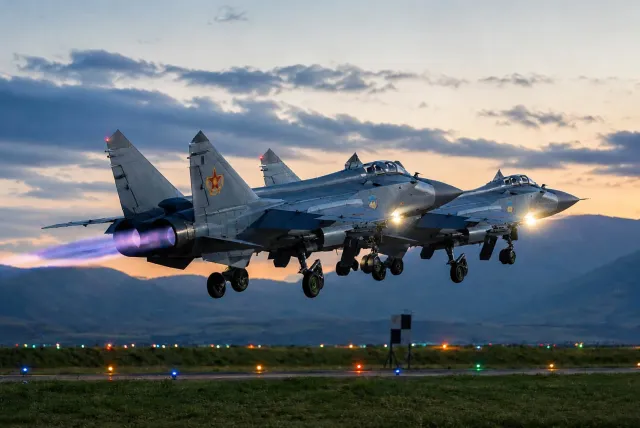 Two-ship takeoff
Mikoyan-Gurevich MiG-31 Kazakhstan Air Defense Forces, 2018
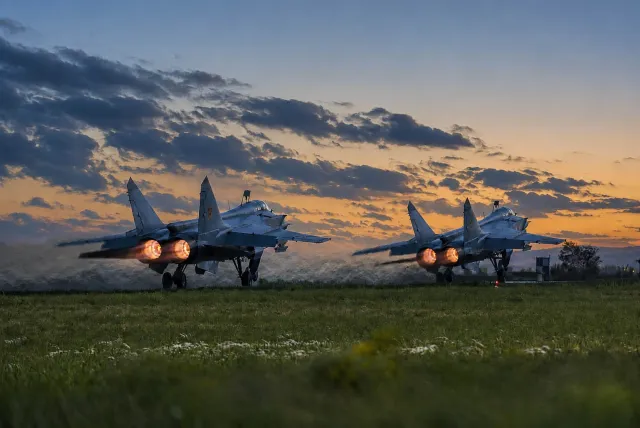 Takeoff at dawn
Mikoyan-Gurevich MiG-31 Kazakhstan Air Defense Forces, 2018
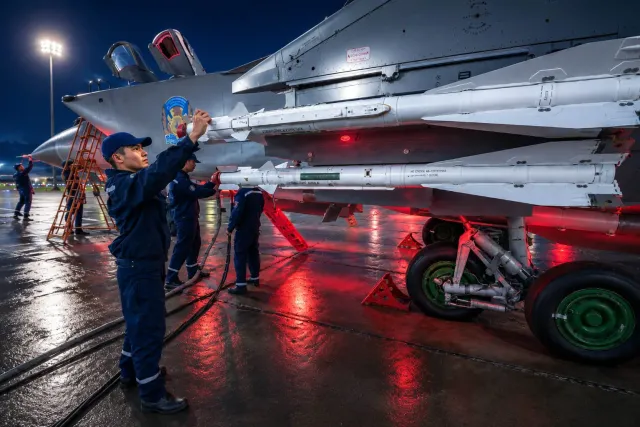 Preparing for night flight operations
Mikoyan-Gurevich MiG-31 Kazakhstan Air Defense Forces, 2018
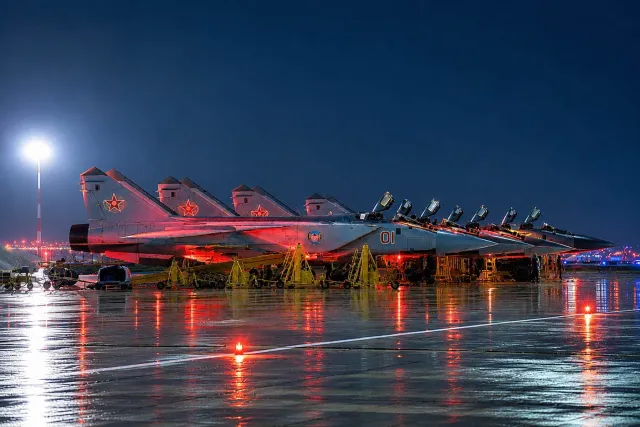 The squadron parked on the apron
Mikoyan-Gurevich MiG-31 Kazakhstan Air Defense Forces, 2018
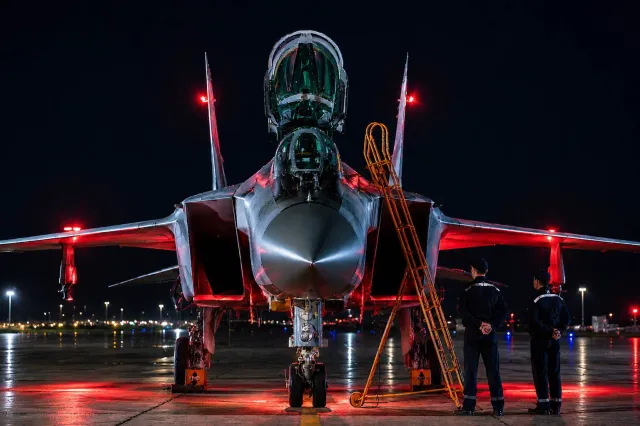 Standing by...
Mikoyan-Gurevich MiG-31 Kazakhstan Air Defense Forces, 2018
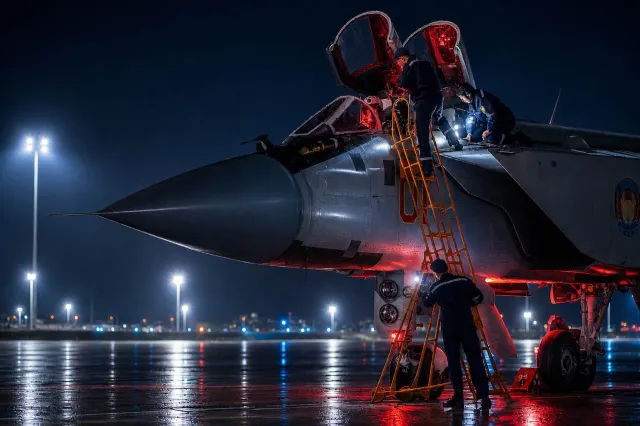 Commander on board!
Mikoyan-Gurevich MiG-31 Kazakhstan Air Defense Forces, 2018
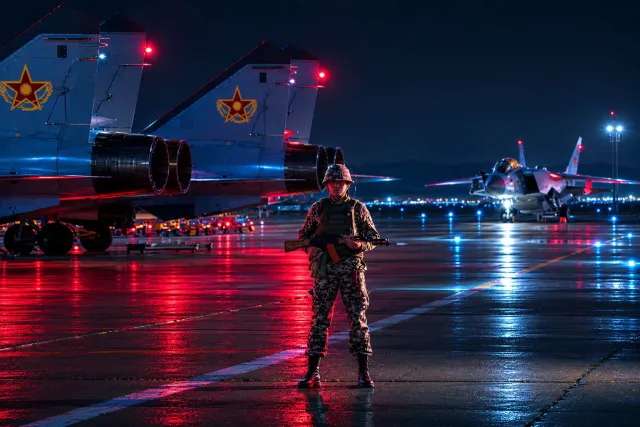 Standing guard...
Mikoyan-Gurevich MiG-31 Kazakhstan Air Defense Forces, 2018
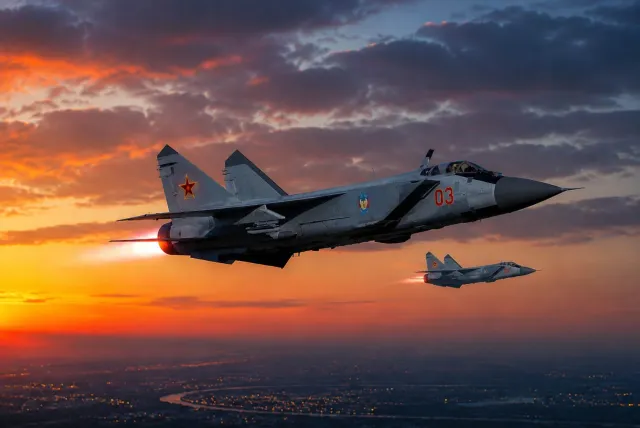 Cross-country flight
Mikoyan-Gurevich MiG-31 Kazakhstan Air Defense Forces, 2018
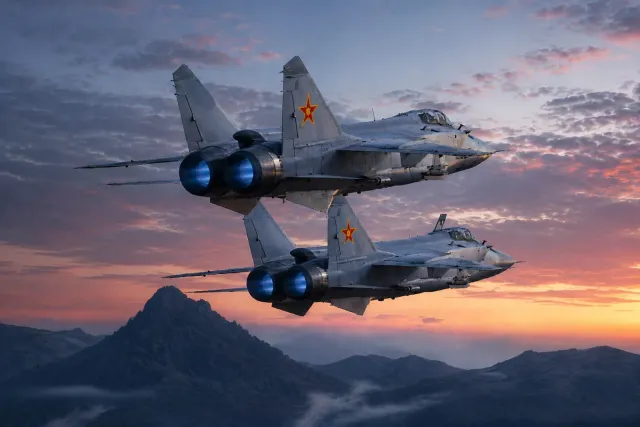 In the skies over Kazakhstan
Mikoyan-Gurevich MiG-31 Kazakhstan Air Defense Forces, 2018